Latest Developments in Remodeling: How to Choose the Right Contractor for Your Home Renovation
In the evolving landscape of home remodeling, picking the right contractor has become progressively essential. As trends transition to sustainable materials and advanced technologies, homeowners face new challenges. Understanding the qualities that characterize a reliable contractor is essential. Additionally, effective communication can greatly influence the success of a project. What should homeowners emphasize when evaluating potential candidates? Exploring these considerations can lead to a more rewarding renovation experience.
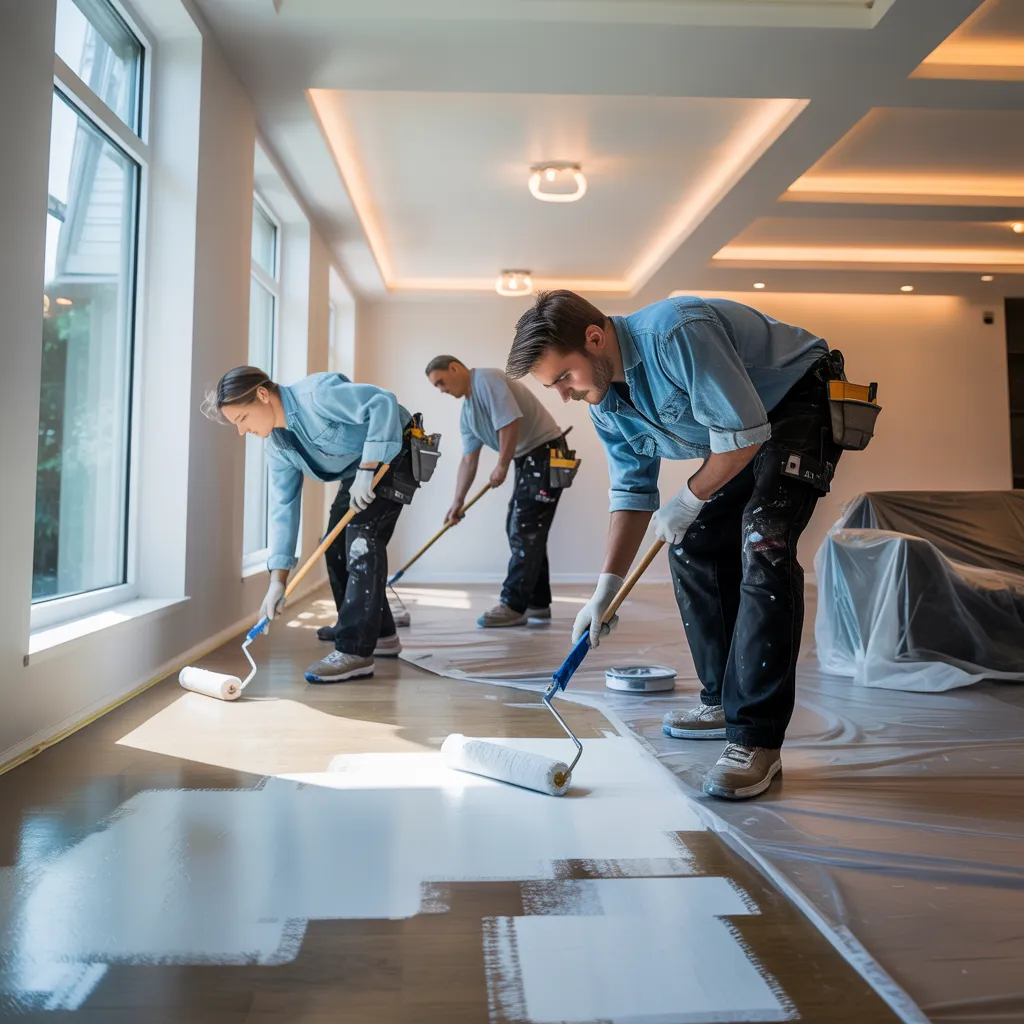
Today's Remodeling Designs to Take Into Account
As property owners progressively look to improve their residential areas, modern renovation trends demonstrate a blend of functionality and aesthetics. One significant trend is the integration of sustainable materials, as eco-conscious choices become more popular. Homeowners are favoring bamboo flooring, recycled glass countertops, and energy-efficient appliances, promoting both environmental responsibility and stylish designs.
Open-concept designs continue to be popular, enabling fluid shifts between spaces and maximizing natural light. This trend stresses the importance of creating attractive environments where family and friends can gather.
In addition, smart home technology is becoming a staple, with homeowners implementing automation for lighting, heating, and security systems, boosting both convenience and efficiency.
In conclusion, biophilic design, which incorporates natural elements, is growing in popularity, encouraging a connection to nature through indoor plants and natural light. These movements reveal a growing desire for homes that marry beauty with practicality, ensuring spaces are not only visually pleasing but also livable.
Critical Qualities to Seek in a Contractor
Choosing a contractor for a house remodeling requires careful consideration of various key qualities that can significantly impact the outcome of the project. Most importantly, a reputable contractor should possess a valid license and insurance, providing compliance with local regulations and delivering access resource protection against potential liabilities. Experience in the specific type of remodeling desired is also crucial, as it demonstrates expertise and familiarity with similar projects.
Furthermore, a strong portfolio showcasing previous work demonstrates a contractor's craftsmanship and style. Positive client testimonials reflect reliability and customer satisfaction, acting as a valuable resource for would-be homeowners. Moreover, transparency in pricing and contracts is essential; a reputable contractor delivers detailed estimates and is upfront about any potential costs. Ultimately, a commitment to quality materials and workmanship is vital, as it determines the longevity and aesthetics of the completed project. These qualities collectively result in a successful and satisfactory home transformation.
The Value of Communication and Collaboration
Strong communication and teamwork between property owners and building professionals are critical elements that can significantly impact the results of a home renovation. A clear exchange of ideas and expectations helps both parties align on the project's vision, timeline, and budget. Residential clients should convey their goals and questions while contractor teams must supply genuine guidance and ideas founded on their professional background.
Regular check-ins and updates foster a cooperative environment, minimizing misunderstandings and enhancing trust. When homeowners feel involved in the decision-making process, it often leads to greater satisfaction with the finished project. Additionally, a collaborative approach allows contractors to address potential challenges promptly, ensuring that the project stays on track.
Eventually, strong communication and collaboration form a partnership that not only facilitates a more seamless renovation process but also leads to the successful achievement of a homeowner's vision, making it a essential aspect of selecting the right contractor.
Examining Contractor Portfolios and References
Property owners should assess contractor portfolios and references to verify they are making an informed choice. A contractor's portfolio exhibits their previous work, offering insight into their style, quality, and experience. Homeowners should look for projects resembling their own and review the craftsmanship and attention to detail in the photos.
In addition, getting in touch with references is vital. Speaking with past clients helps homeowners to measure the contractor's credibility, communication skills, and capability to meet deadlines. It is suggested to ask targeted questions concerning the overall experience, problem-solving competencies, and satisfaction with the final results.
Additionally, online reviews and ratings can provide additional context about a contractor's reputation. By comprehensively evaluating past work and references, homeowners can arrive at a well- educated decision, making sure they select a contractor who fits their goals and expectations for their home improvement project.
Planning Your Home Remodeling Budget
Creating a realistic budget is essential for any home remodeling project, as it serves as the foundation for decision-making throughout the process. Homeowners should begin by assessing their financial capacity and determining how much they are willing to invest. This includes accounting for all potential costs, such as materials, labor, permits, and unexpected expenses.
To build a comprehensive budget, it is advisable to gather numerous estimates from contractors, enabling comparison and knowledgeable choices. Homeowners should concentrate on their needs over wants, guaranteeing that critical updates are handled within the budget constraints.
Furthermore, reserving a contingency fund of 10-20% for unexpected issues can avert financial strain. Regularly evaluating and modifying the budget as the project progresses will aid in maintaining financial control. Finally, a well-planned budget not only enables a easier remodeling experience but also helps achieve expected outcomes without exceeding financial limits.
Common Questions
What Is the Timeline for My Remodeling Project?
Remodeling project timeframes vary, typically extending from a few weeks to several months. Elements including project scope, contractor efficiency, and material availability substantially affect the overall timeline for completion.
Which Permits Do I Need for My Remodeling Project?
For a remodeling project, essential permits usually consist of building, electrical, plumbing, and zoning permits. Permit requirements may differ by location, so it is essential for homeowners to check with their local building department prior to beginning any project.
Is Living in My Home During Renovations an Option?
Occupying a residence during remodeling is doable, however it can prove demanding. Property owners must think about security, sound levels, and interruptions. Preparing in advance and staying in contact with contractors assists in achieving a more pleasant experience while retaining some normality.
What Takes Place if I Need to Alter My Design Midway Through the Project?
If a property owner needs to modify their design in the middle of the project, it can result in delays and additional costs. Speaking with the contractor is critical to determine viability and revise plans without jeopardizing the project timeline.
What's the Best Way to Handle Unexpected Costs During Renovation?
To handle unexpected costs during remodeling, one should promptly communicate with the contractor, reassess the budget, examine alternative solutions, and maintain flexibility. Arranging for contingencies in advance can help mitigate financial strain throughout the project.